Different Deck Styles + Factors That Affect Which You Should Choose

Different Deck Styles + Factors That Affect Which You Should Choose
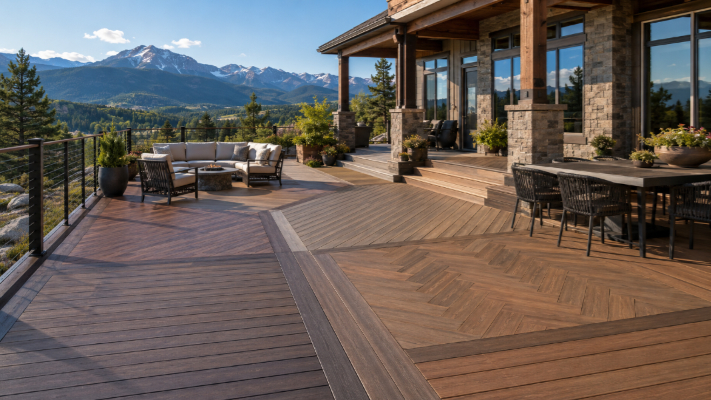
A deck can transform the way you experience your home, act as a bridge between the indoors and the rest of your property, and provide a platform for countless hours of enjoyment. As an experienced deck builder in Breckenridge, CO we get asked all the time about different deck styles and how to determine which one would be best for a particular home. So, in this post, we’re going to examine some common (and 1 or 2 uncommon) deck styles out there and discuss the factors you need to weigh when deciding which one to choose.
6 Different Deck Styles and How to Determine Which is Right for You
Not every type of deck is right for every home. Below are 6 deck styles you’ll want to consider, as well as the factors associated with each type, you’ll need to be mindful of.
Style 1: Platform Decks
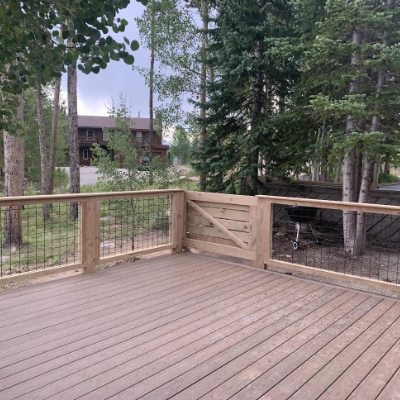
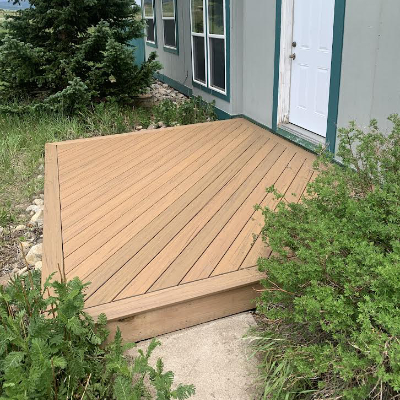
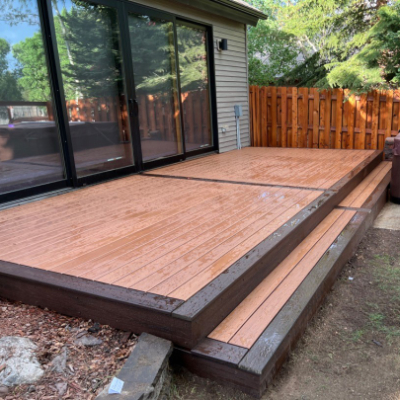
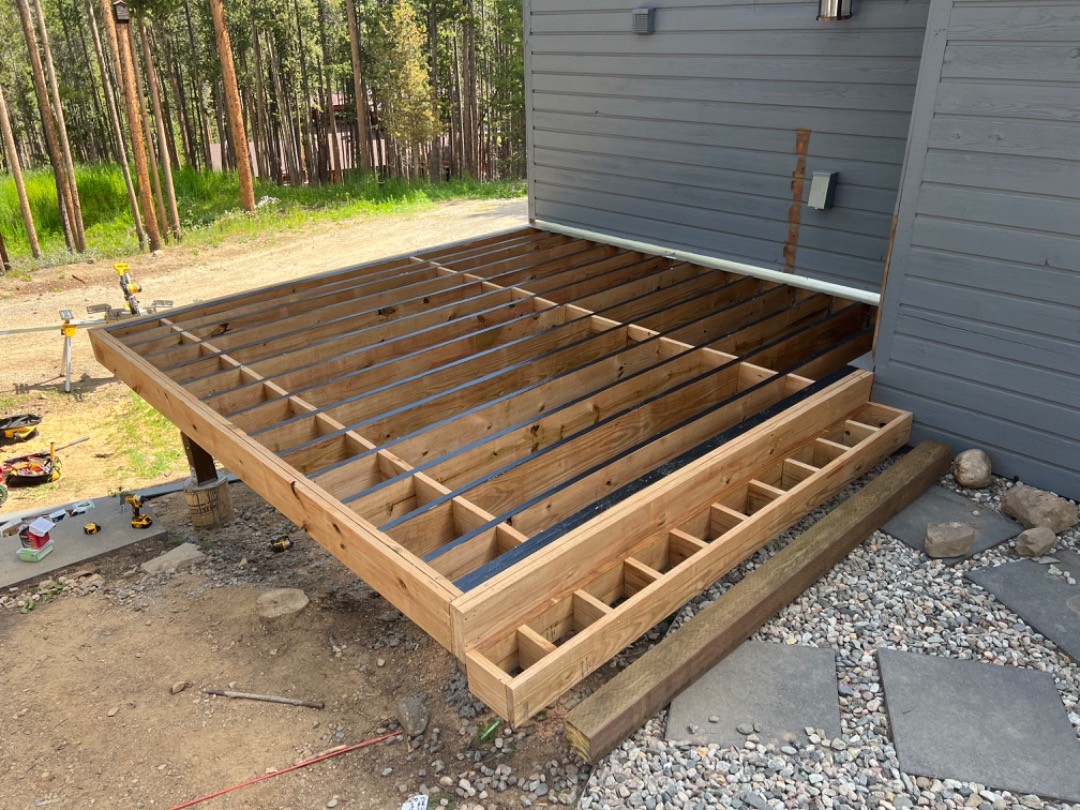
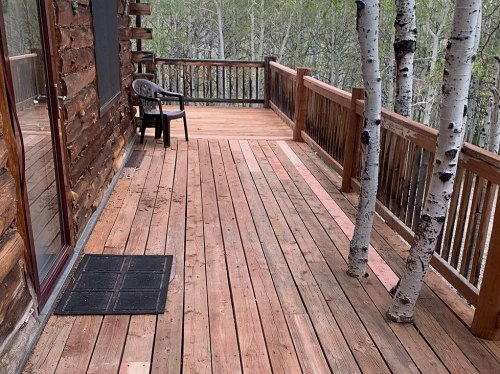
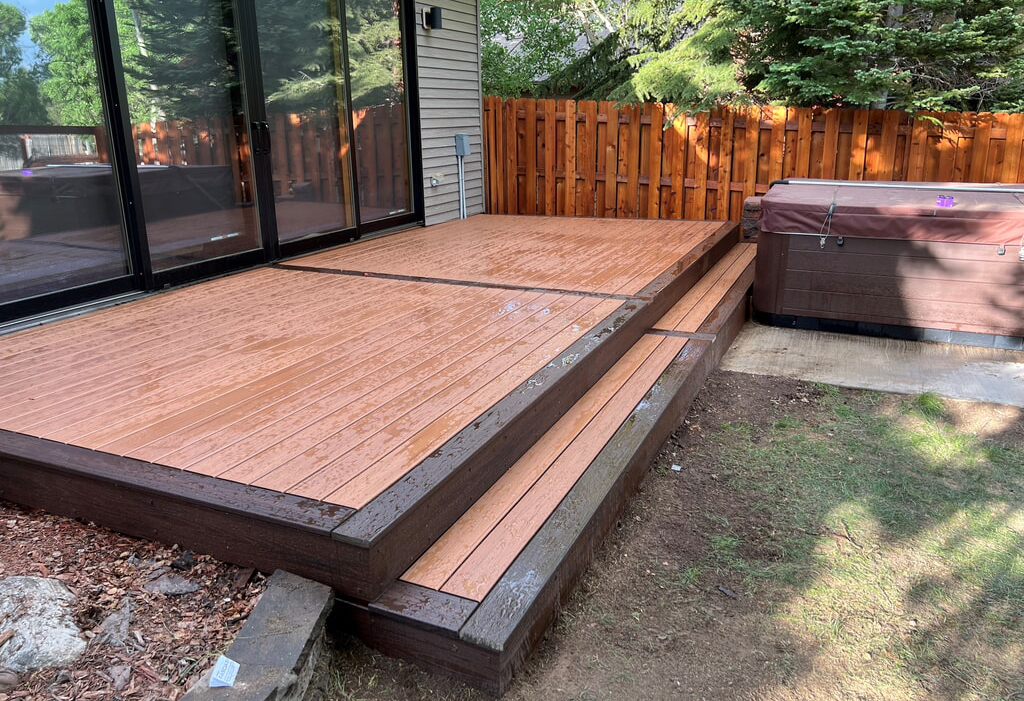
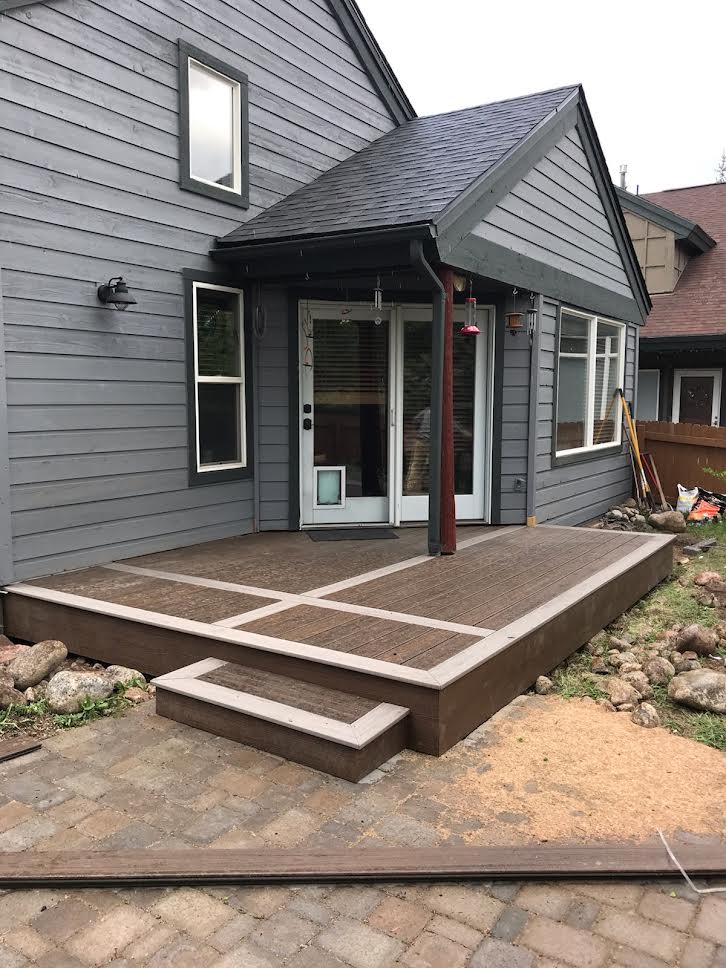
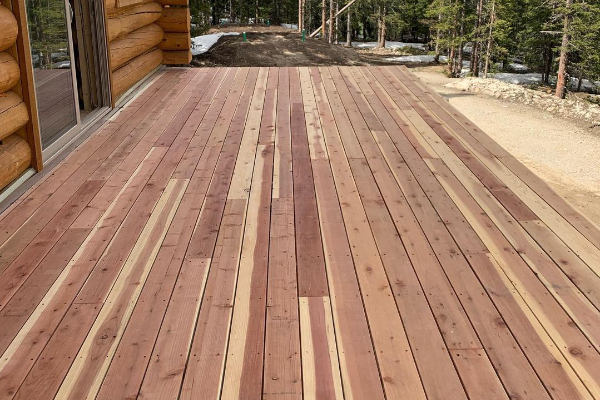
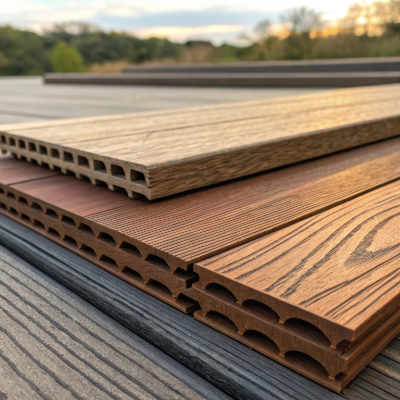
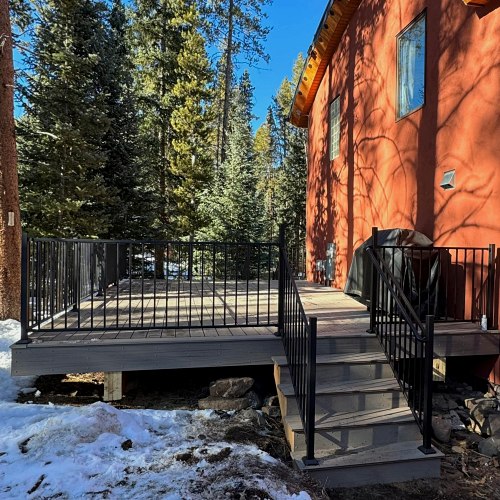
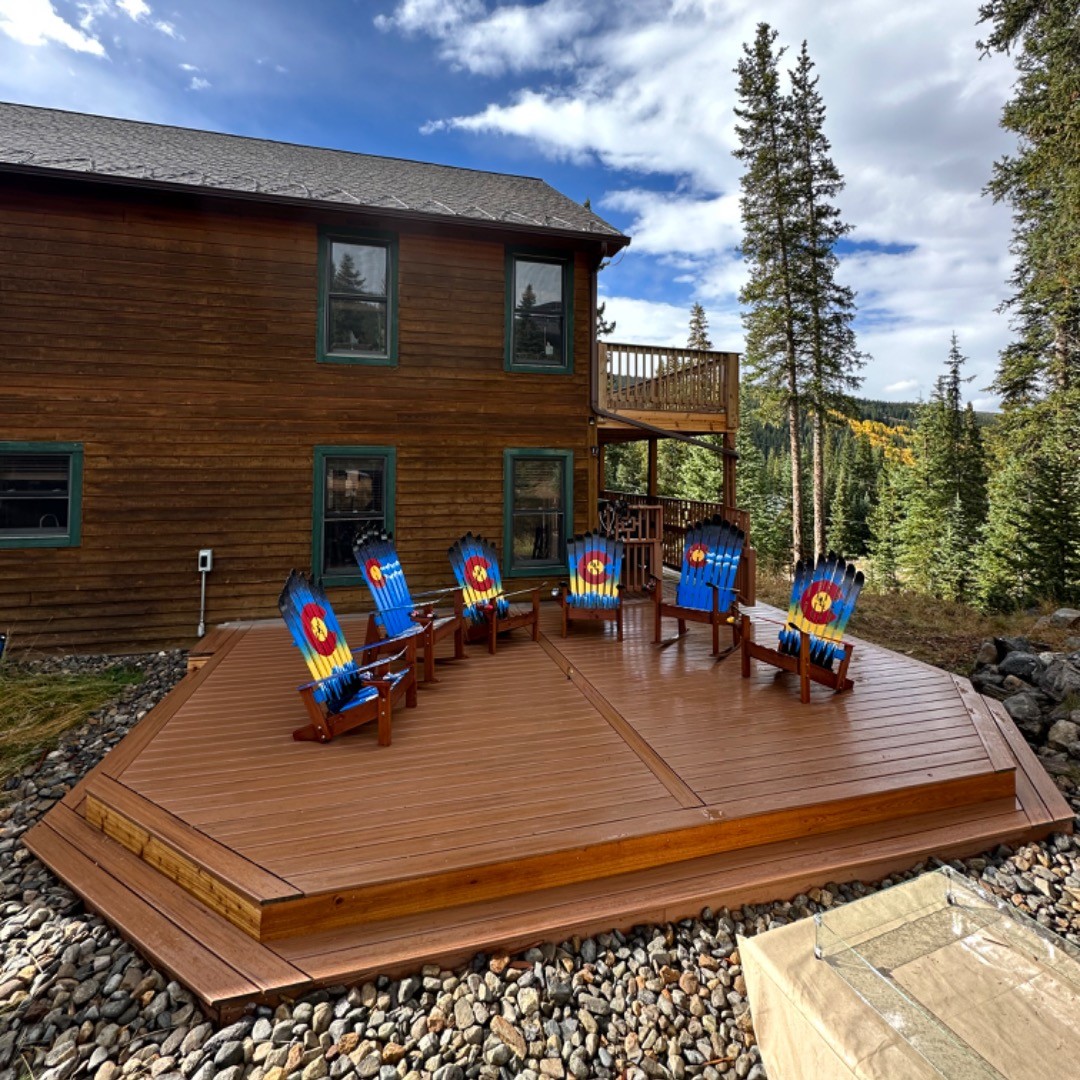
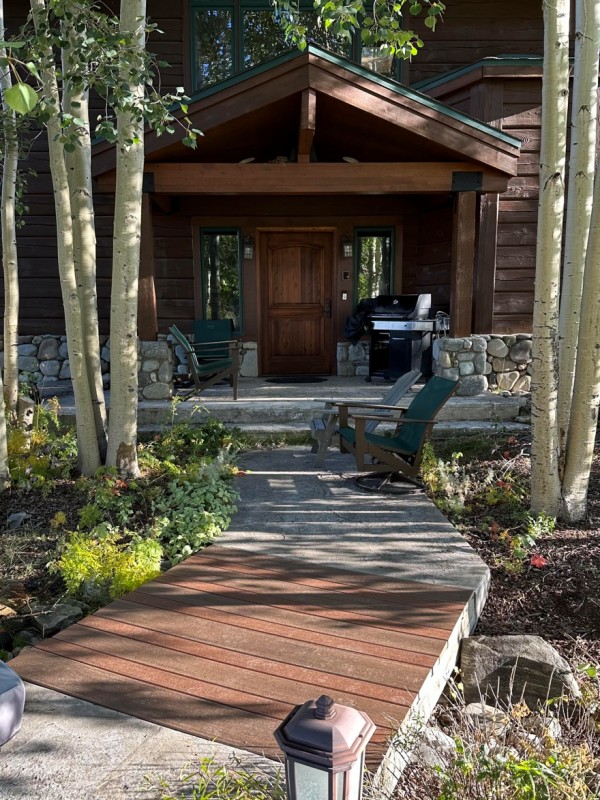
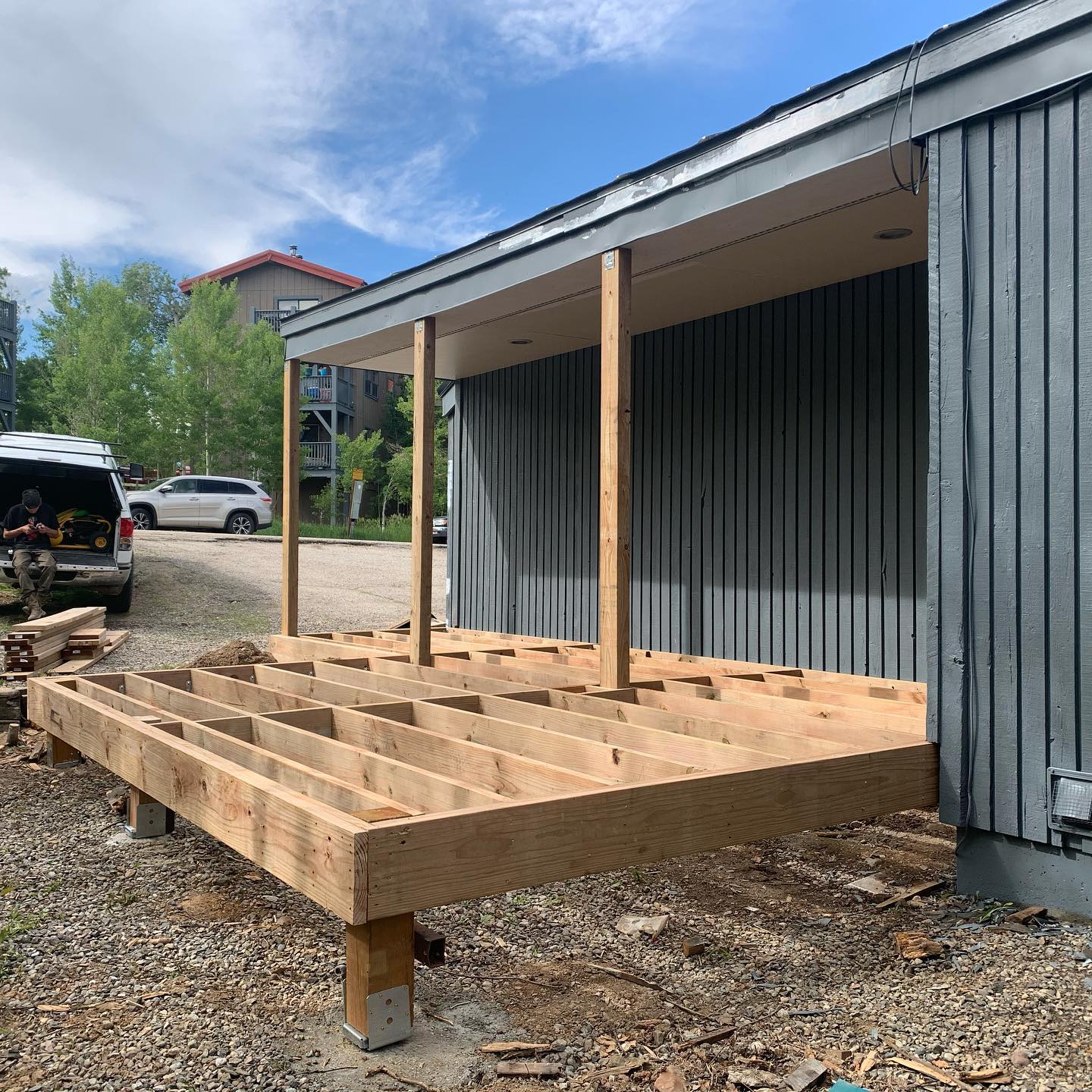
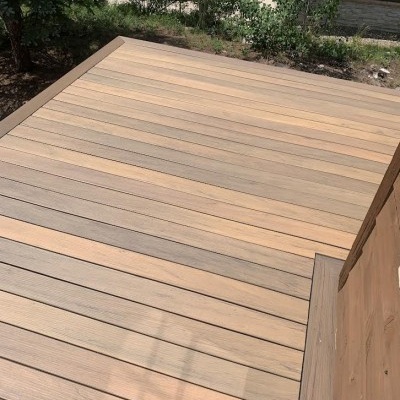
We might as well start with the simplest and most common deck type: the platform deck. This deck features a minimalist design, is typically rectangular, and is fashioned from pressure-treated lumber or a composite. It’s a good choice that will dovetail nicely with simple home designs and is the most affordable choice on our list.
Factors to consider before building a platform deck
- Make sure the design allows for proper runoff of rainwater.
- Select materials that will resist rot and be inhospitable to pests.
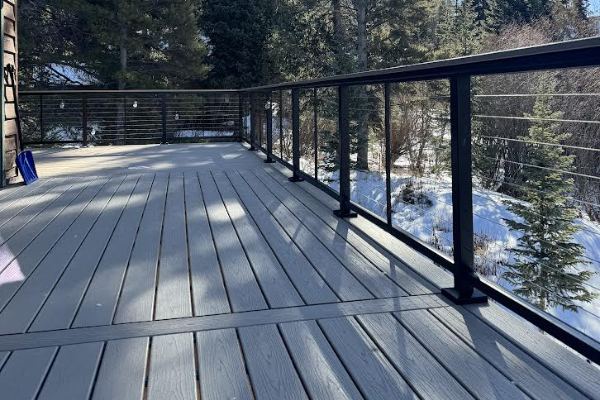
- If the deck is elevated, railings should be included for safety purposes.
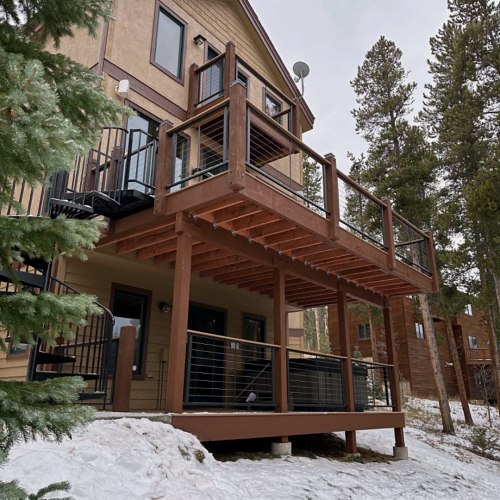
Style 2: Elevated Decks
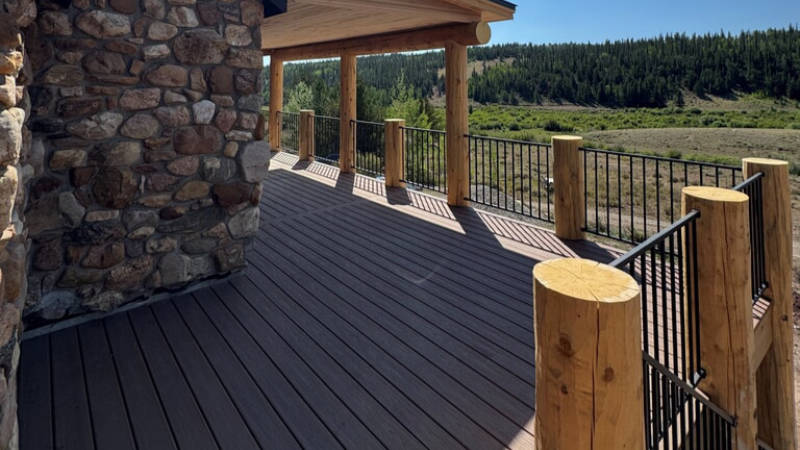
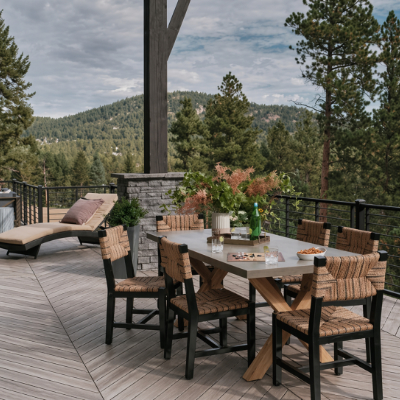
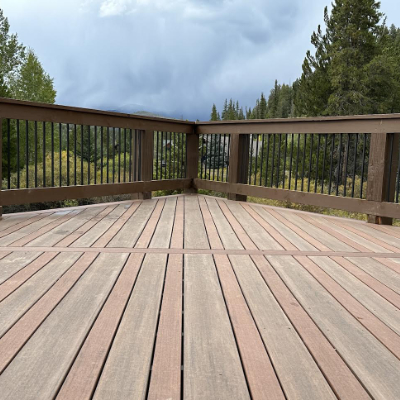
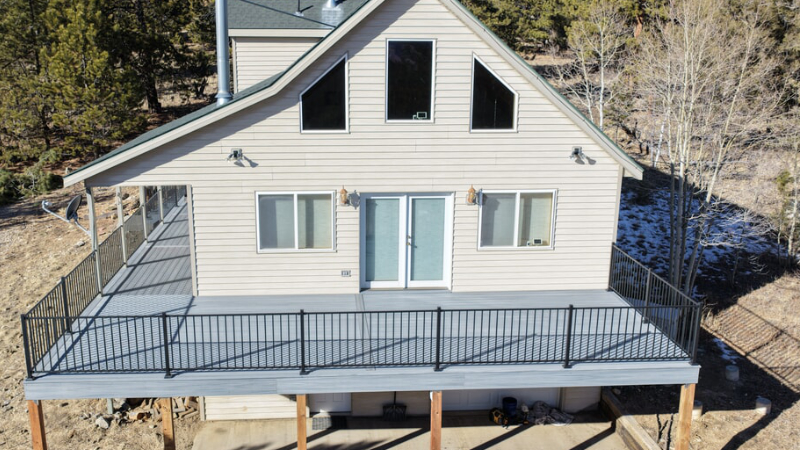
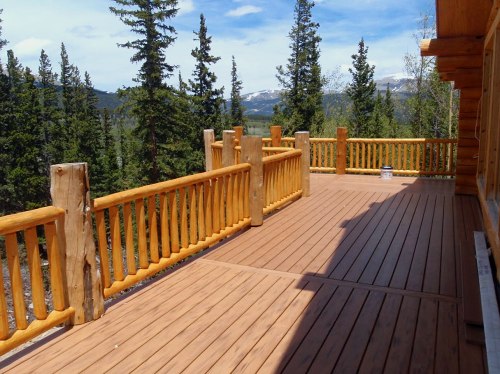
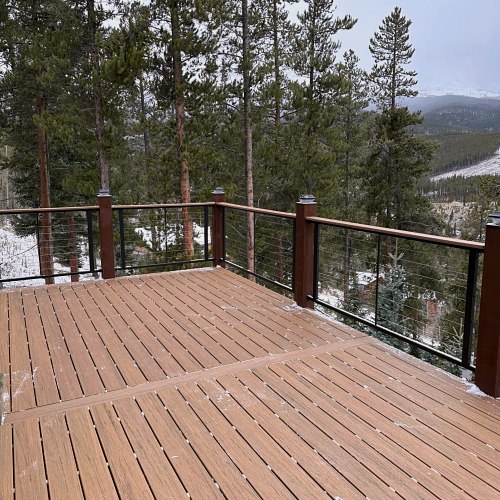
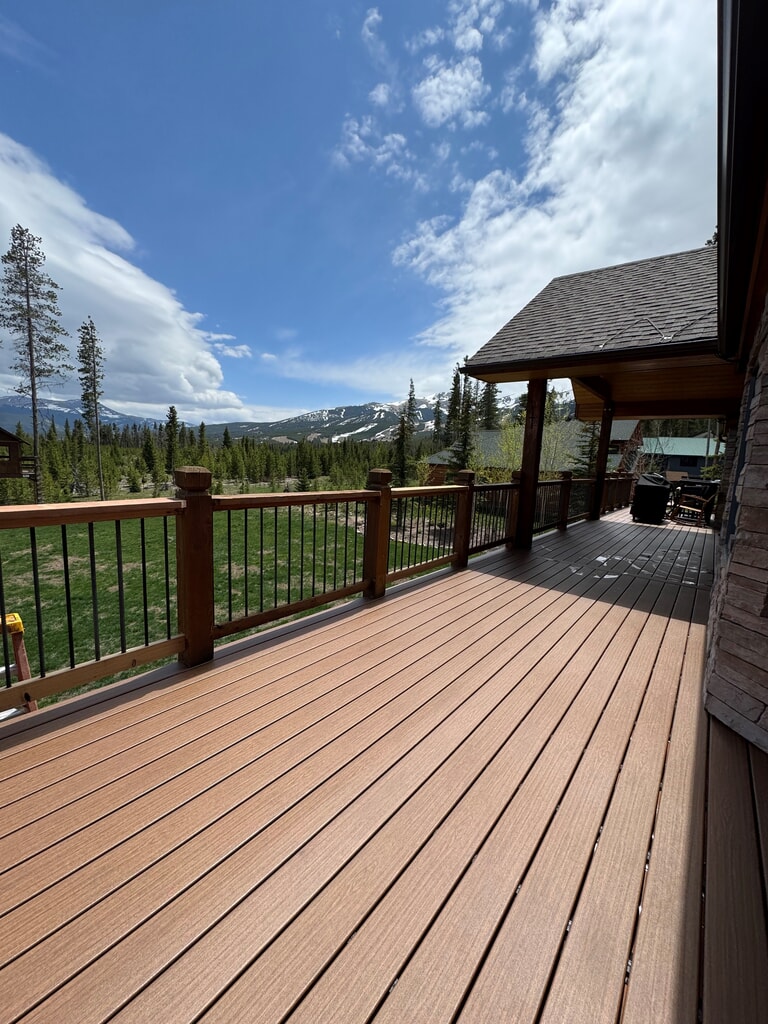
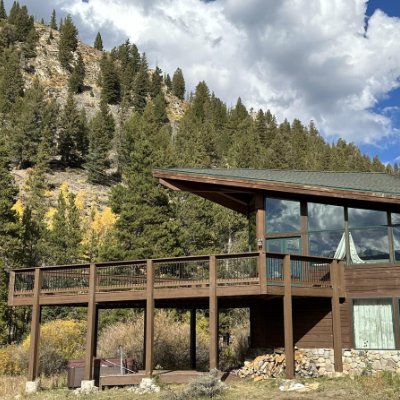
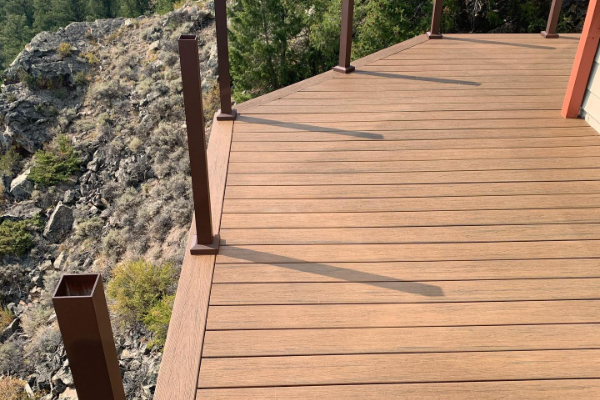
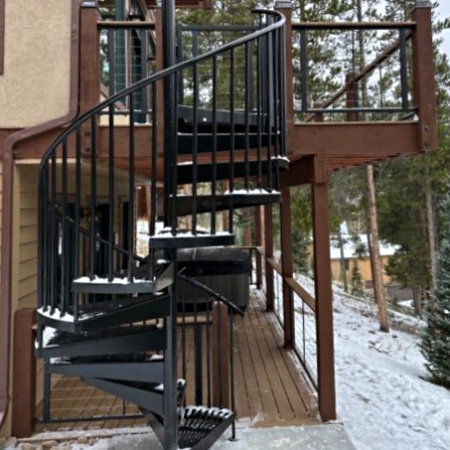
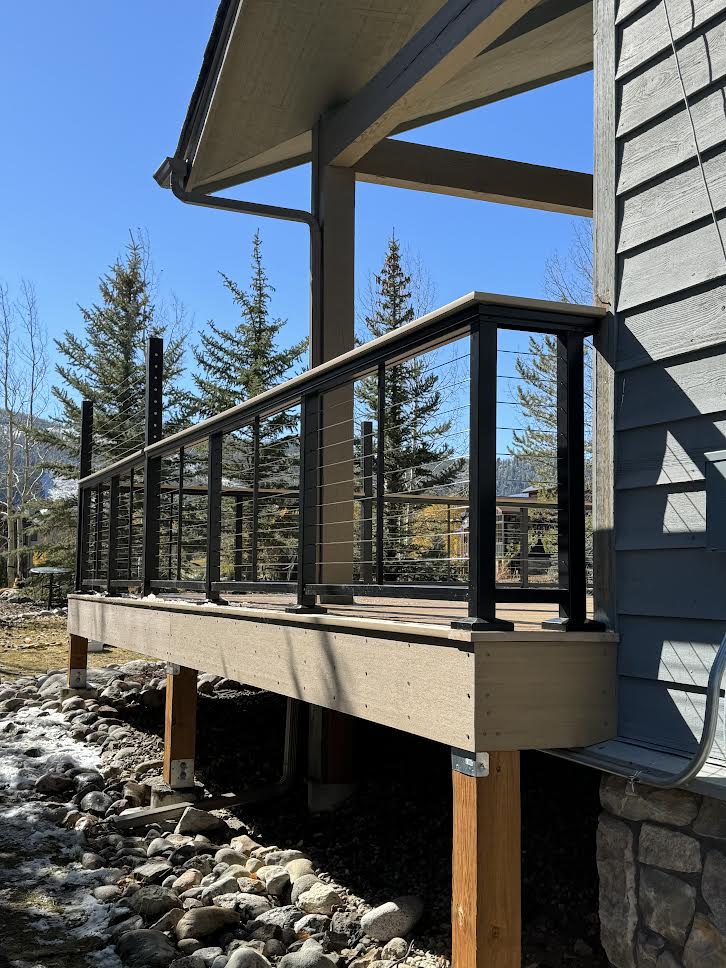
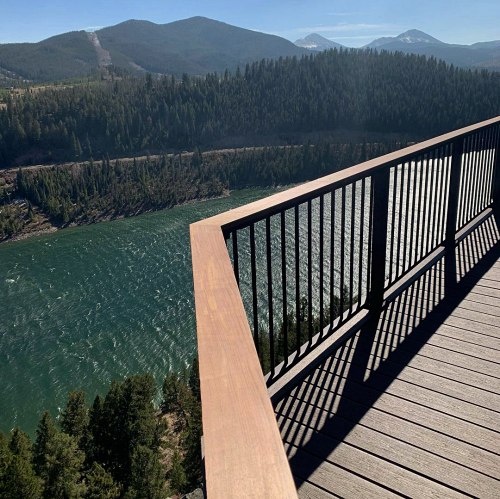
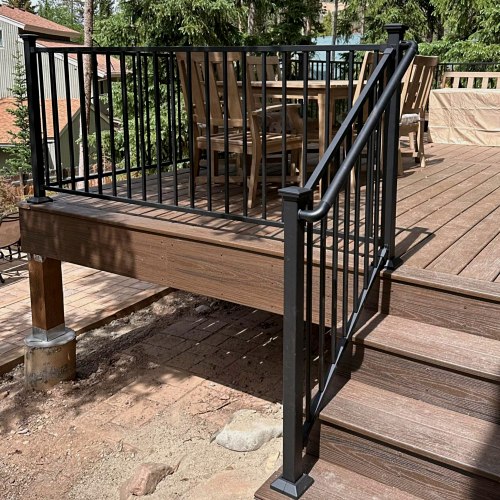
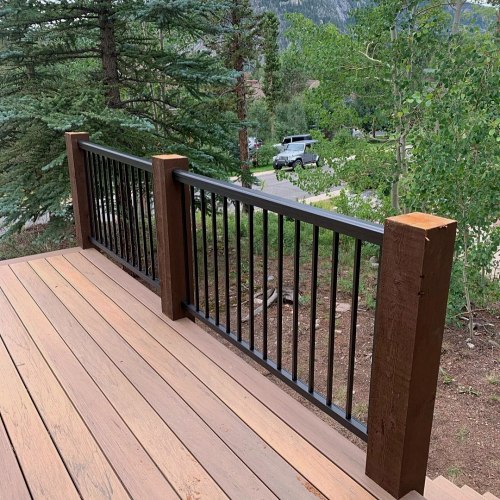
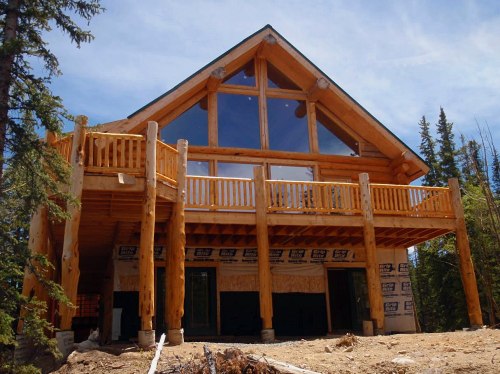
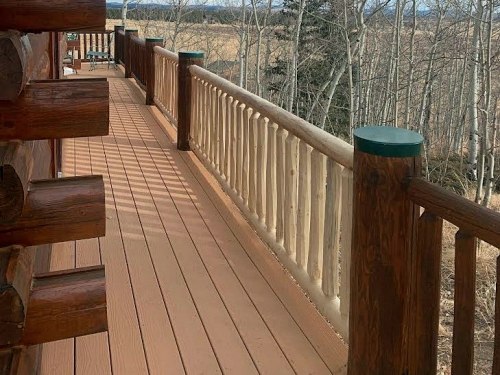
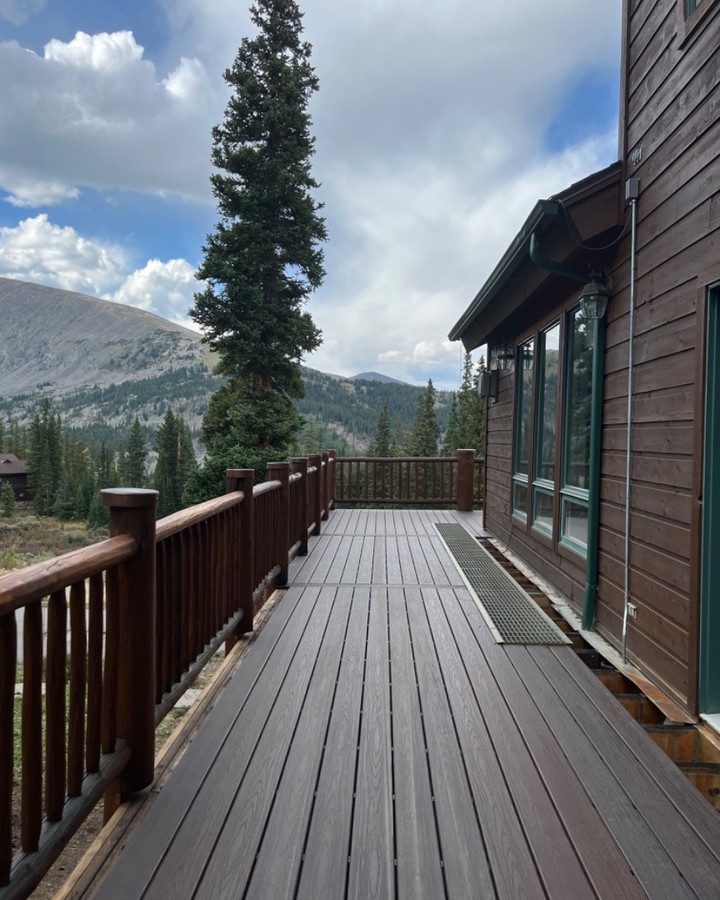
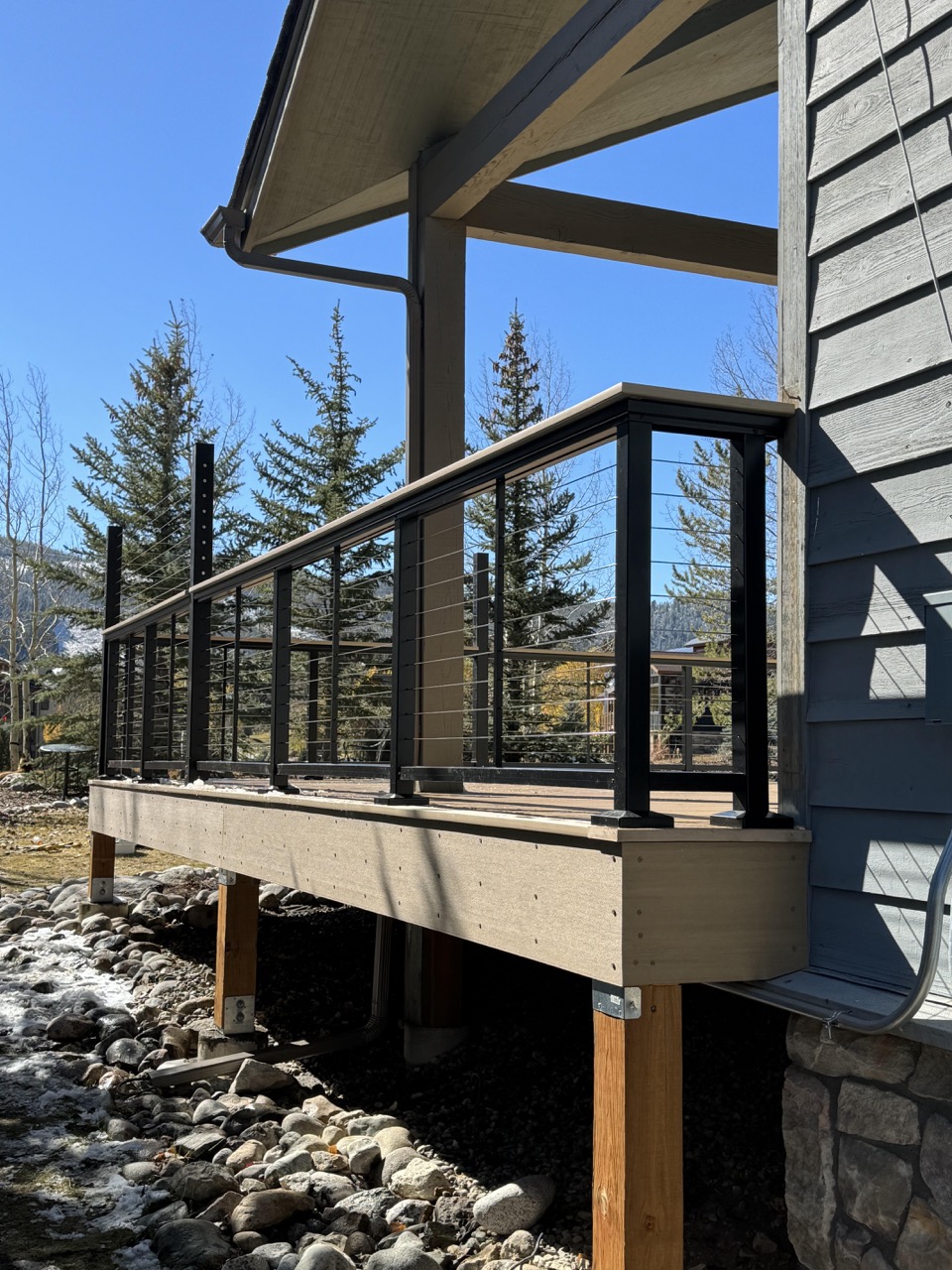
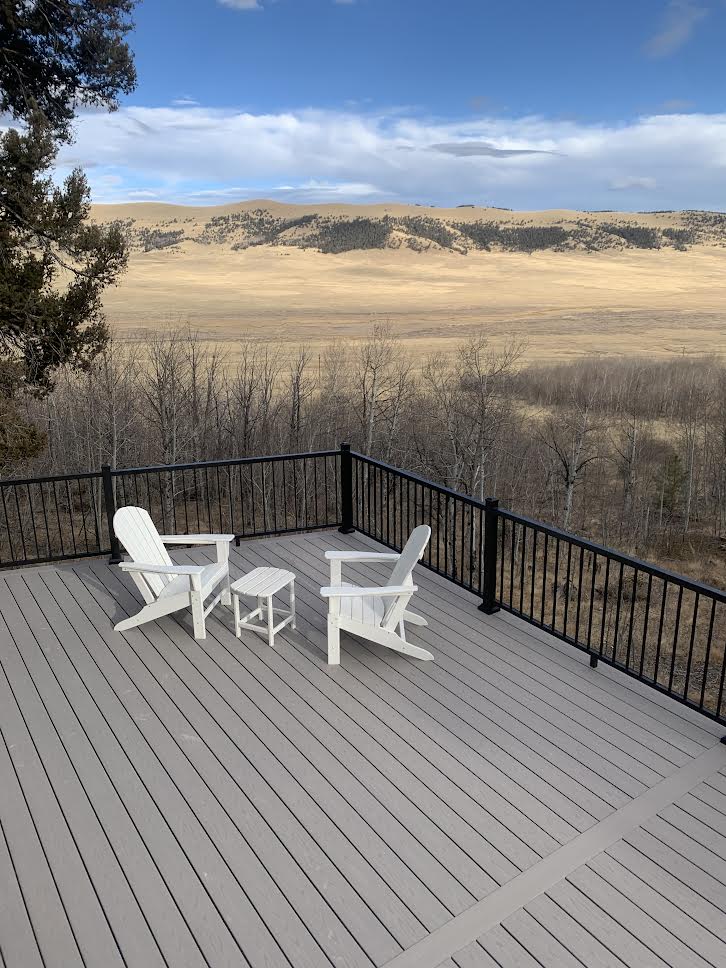
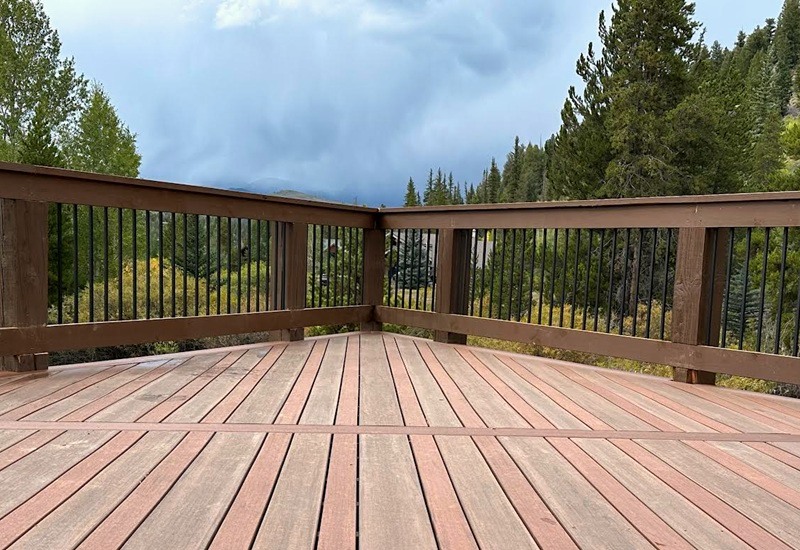
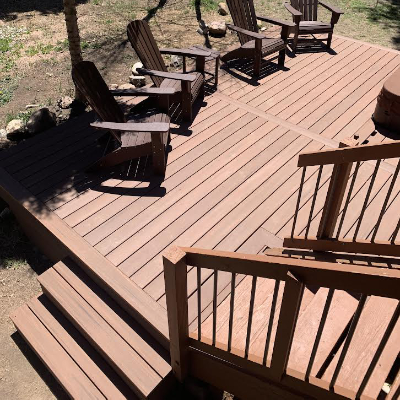
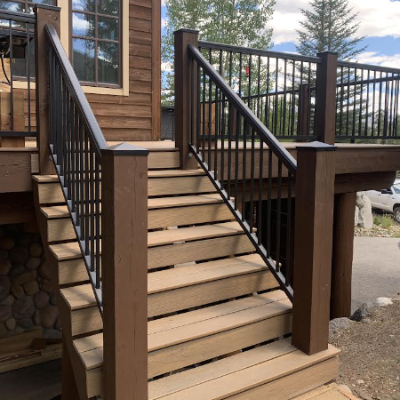
If your home is built on uneven terrain, you will probably need to consider a raised or elevated deck. Ditto if you have a second-story living space you want to extend the deck from. In some cases, an elevated deck will allow you to create a generous storage space underneath. That’s especially helpful if you don’t have a traditional basement.
Factors to consider before building a platform deck
- The support structure will need to meet local building codes, as will railings and balusters.
- If the deck will be used by those with mobility issues, you’ll want to ensure accessibility.
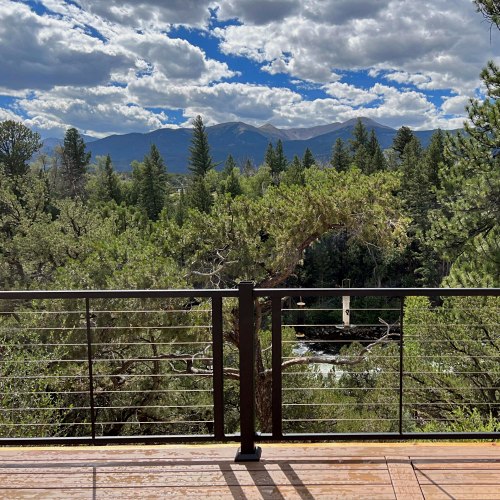
- If your property offers scenic views, make sure the deck is oriented to take maximum advantage of them.
Style 3: Multi-Level Decks
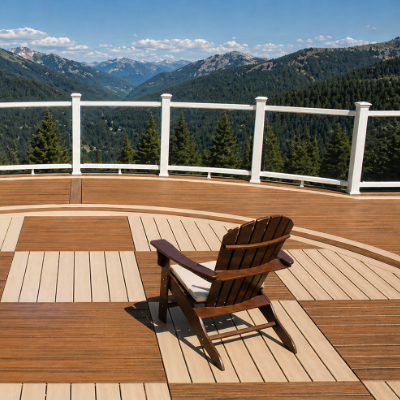
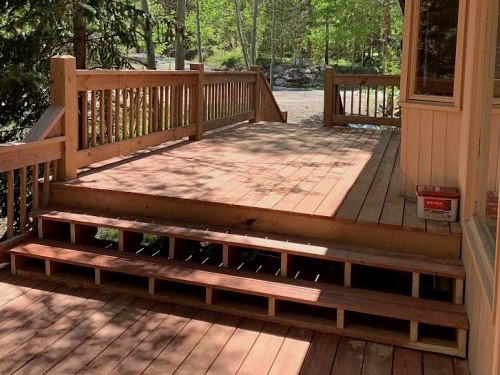
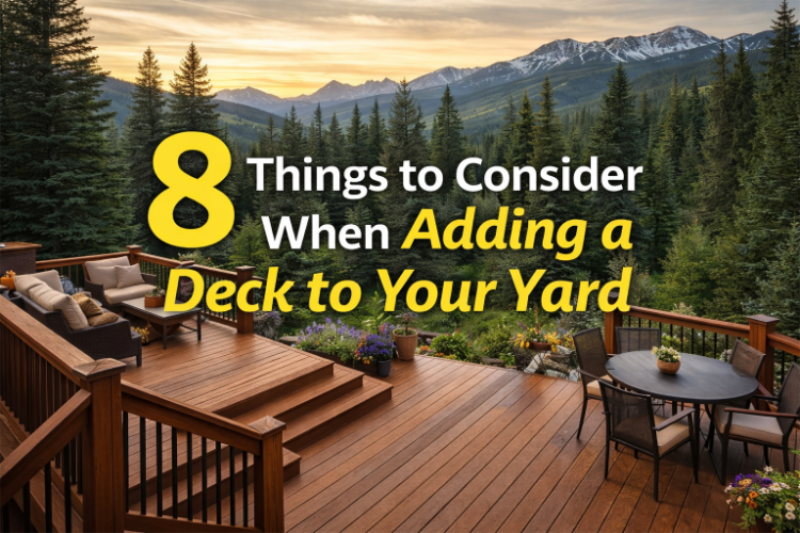
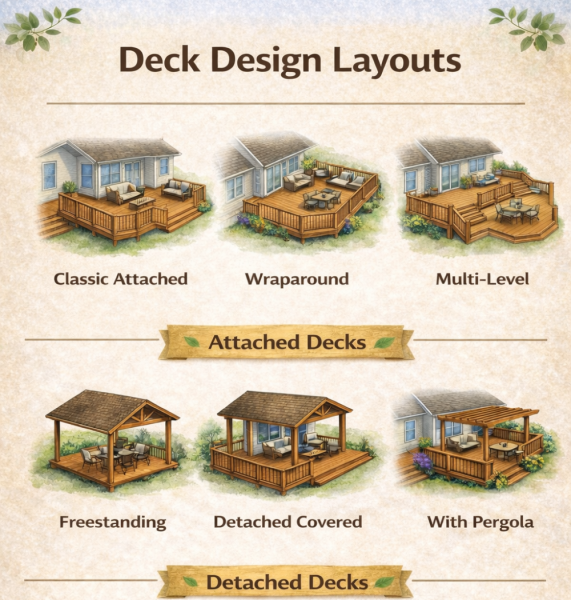
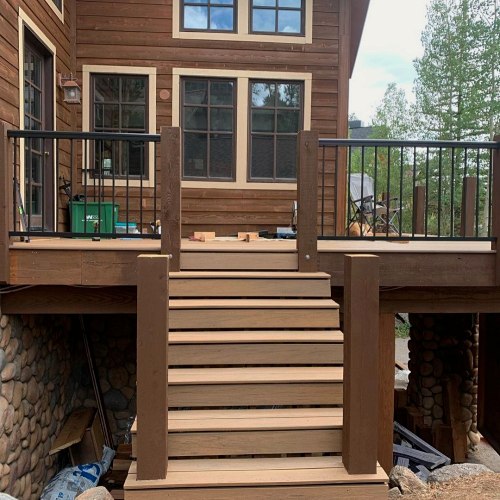
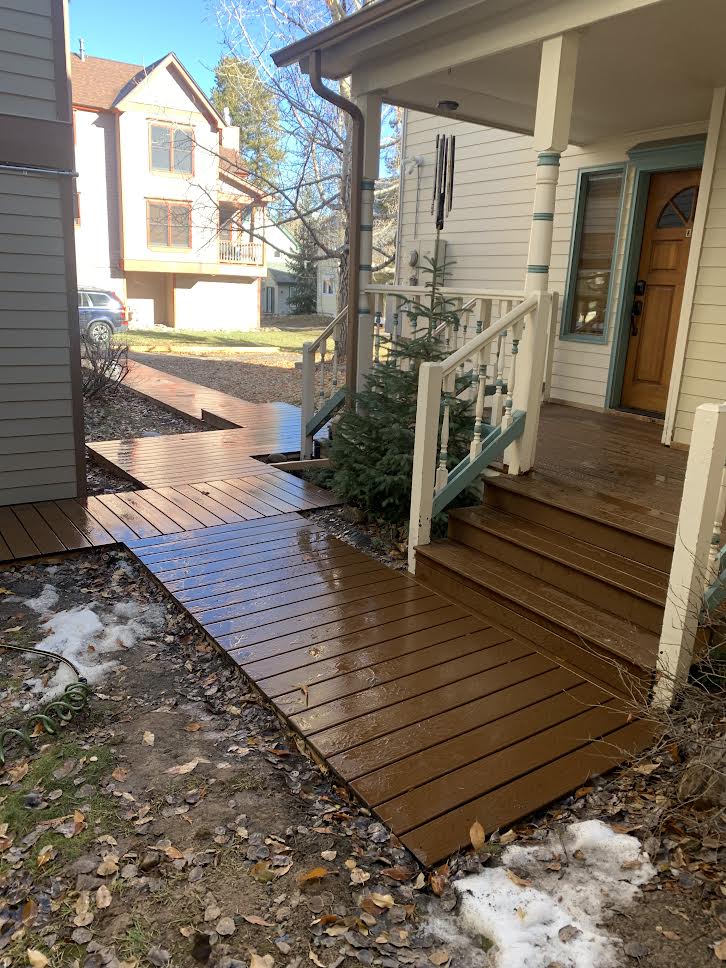
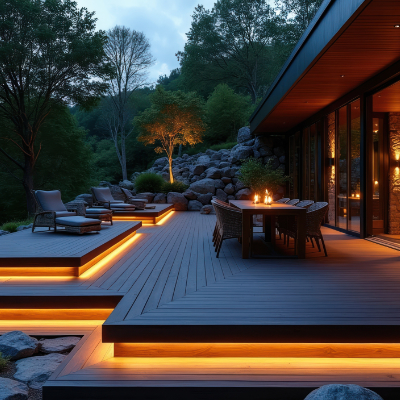
Custom decks are often multi-level decks comprised of several levels interconnected by ramps, steps, or stairways. If your property has uneven terrain, a multi-level deck can be a good choice. The design possibilities are almost endless so you’ll want to work closely with an experienced deck company when designing and planning a multi-level deck to ensure you get the most from it.
Factors to consider before building a multi-level deck
- You’ll want to ensure the different levels flow naturally with the terrain.
- The cost of a multi-level deck will be considerably higher than that of a platform deck.
- The more levels/components there are to a deck, the greater the maintenance requirements.
“The best deck for your home is the one that fits the way you actually live—your views, your climate, and your maintenance tolerance—not just the latest trend.” — Colorado Deck Works Design Team
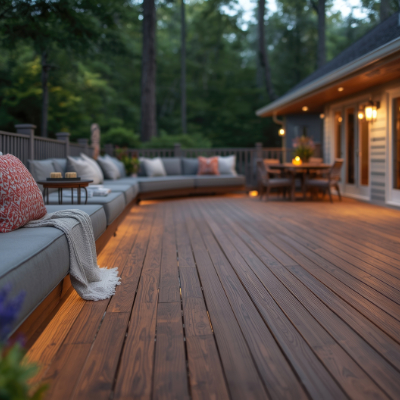
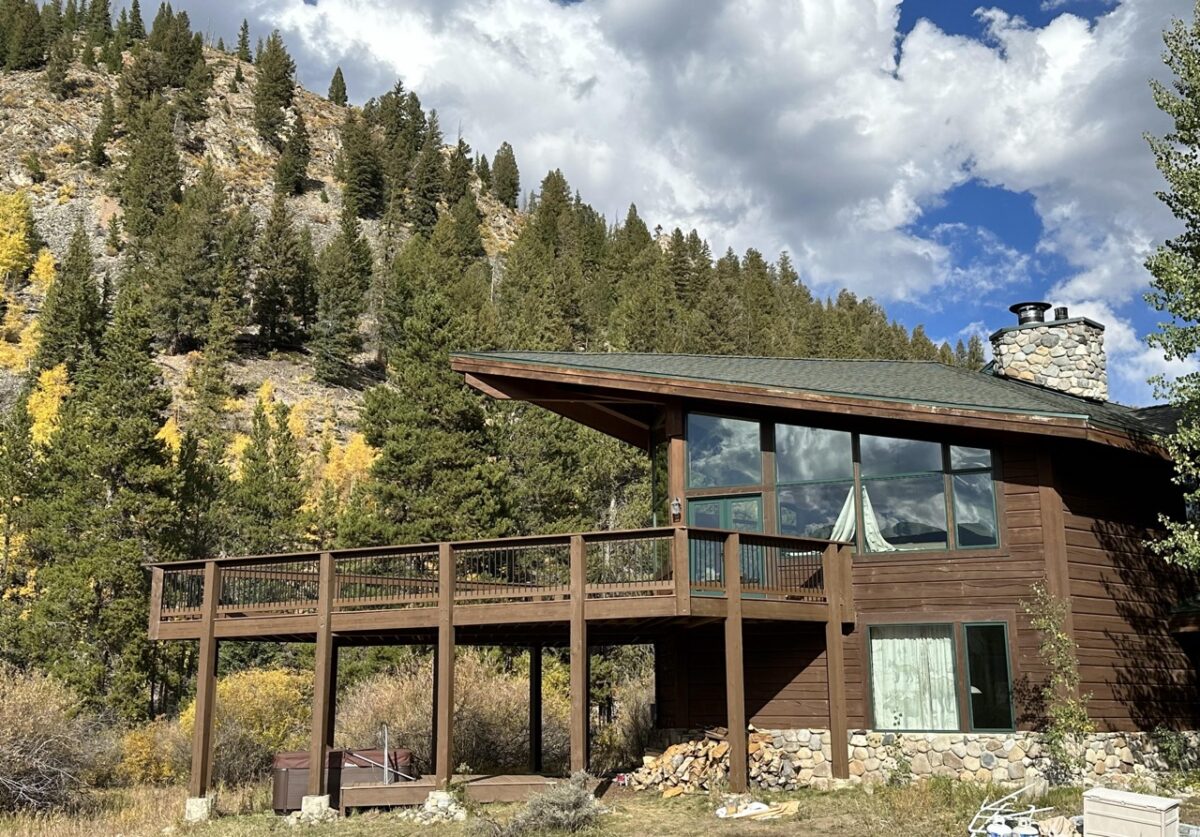
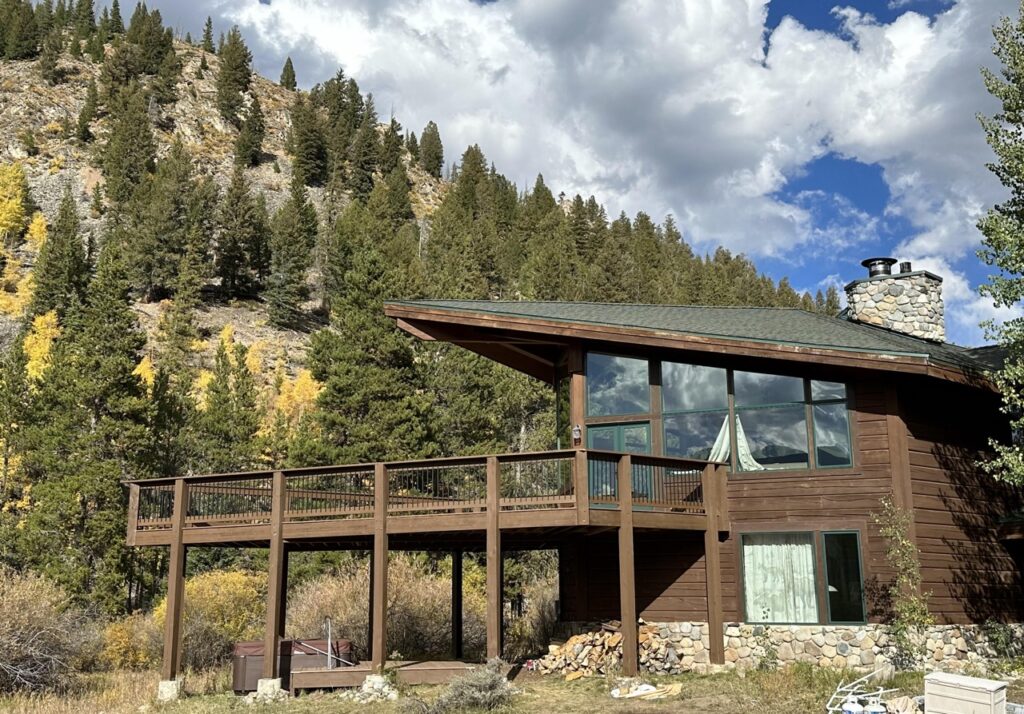
Style 4: Wraparound Decks
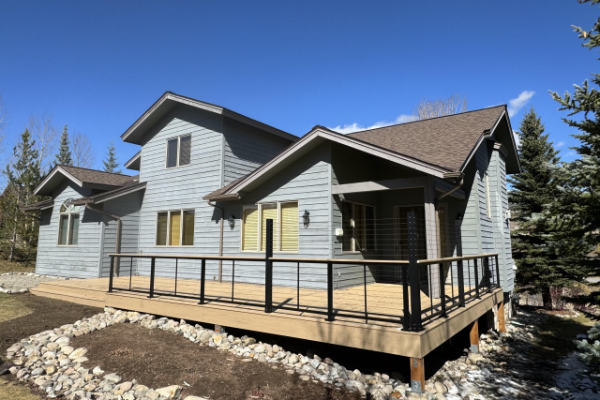
A wraparound deck is exactly what the name implies: a deck that wraps around part or all of a home, providing a continuous outdoor space accessible from several different points. Wraparound decks require a lot of planning and can be installed at ground level, on the second story or have multiple levels. The wraparound deck is ideal for homes with compelling views in multiple directions.
Factors to consider before building a wraparound deck
- A wraparound deck is going to require a lot of space.
- Making sure the deck doesn’t overwhelm the rest of the house can be a challenge.
- Not every house style is necessarily compatible with having a wraparound deck.
- Wraparound decks can be quite expensive.
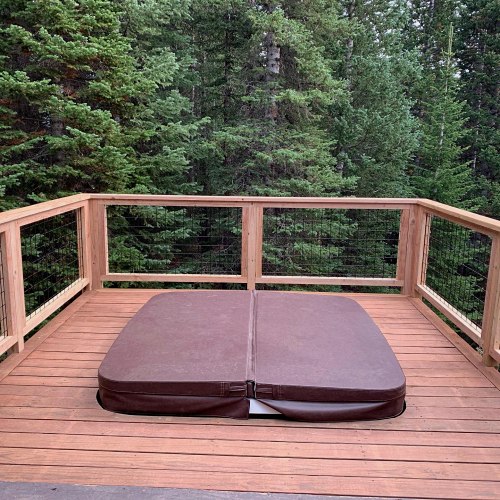
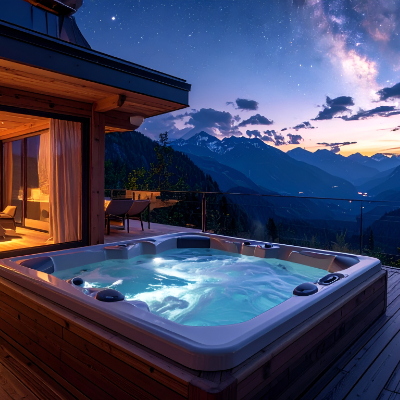
Style 5: Hot Tub Decks
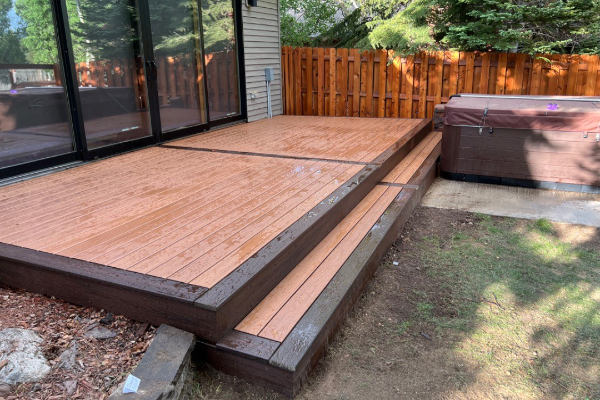
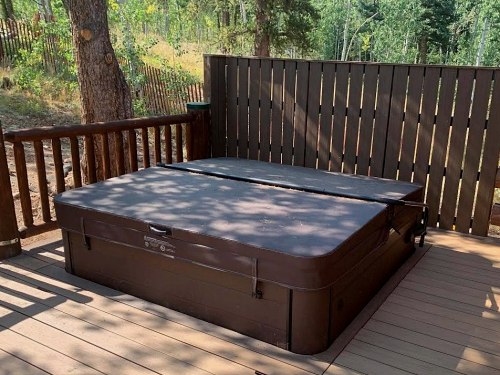
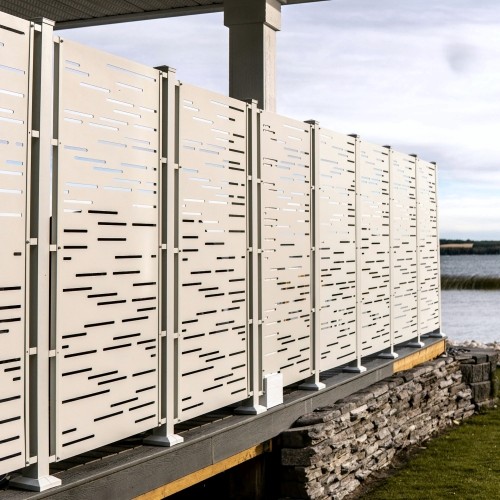
With these custom decks, the hot tub is the center of attention and the focal point of activity. Because people will be getting into and out of the hot tub all the time, it’s imperative that the deck surface is constructed from slip-resistant materials. You’ll also want to include seating around the hot tub and either permanent or movable privacy screens.
Factors to consider before building a hot tub deck
- Safety is a major concern since the potential for slips and electric shocks is very real.
- As such, you’ll need to make sure you hire an experienced deck builder to build a hot tub deck.
- A hot tub deck will require considerably more maintenance than a simple deck.
Style 6: Detached Decks
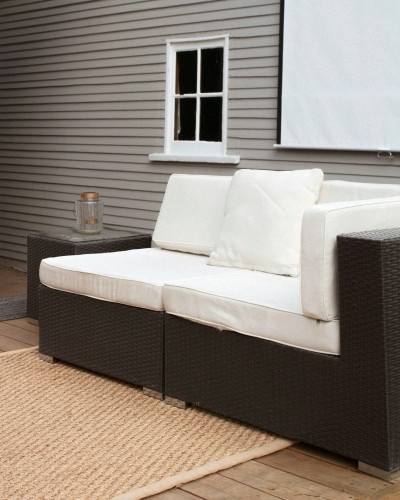
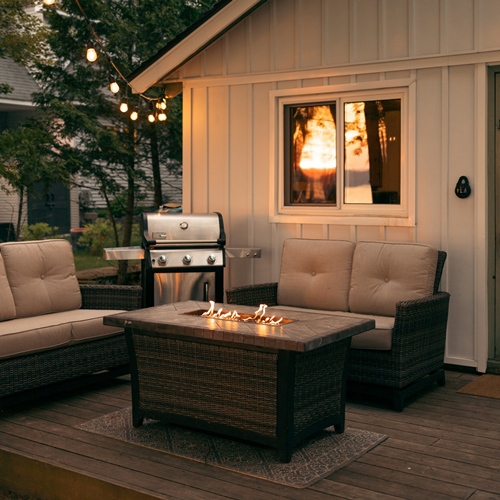
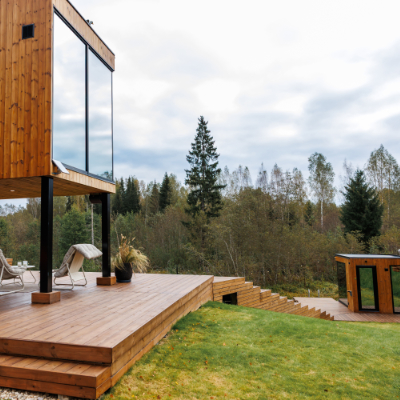
A detached deck – sometimes referred to as a floating deck – is a deck that is not directly attached to any part of the house. You will often find detached decks in the yard, sometimes with a fire pit at the center, surrounded by built-in furniture. But that’s only one variant. There are countless others. And it is that reason – their supreme flexibility – that they are so popular.
Factors to consider before building a detached deck
- You’ll need a lot of space to do a detached deck right.
- Proper placement is crucial lest it look like the deck was dropped in from space.
- If privacy is an issue you may have to add privacy screens or fences.
- You’ll have to make sure the deck is set upon a solid foundation to prevent subsidence.
Considerations That Will Influence Your Deck Style Choice
Budget
Budget is often the #1 consideration when homeowners contemplate adding a deck. The cost of a multi-level wraparound deck will, for example, dwarf that of a platform deck. In addition, any time a deck is elevated above ground level it’s going to add significantly to the cost. Your choice of materials will also impact the final cost.
Climate
In a place like Breckenridge, CO, where the temperature rarely rises above 70° Fahrenheit, and snowfall is considerable, you’ll need to make sure the design of your deck and the materials you use can withstand Mother Nature’s assault. Because your deck will spend a lot of time under snow cover and dealing with snow melt, it’s also crucial that the materials are able to resist rot.
Other Considerations
While budget and climate are two primary considerations, you’ll also need to think about matching the deck design to your home, whether you have adequate space to build the kind of deck you have in mind, and what the maintenance requirements will be for your chosen deck style.
Contact Colorado Deck Works
To discuss adding a deck to your home, get in touch with the team at Colorado’s #1 deck company: Colorado Deck Works. Just fill out our contact form, email us at , or give us a call at (719) 221-2242.
Deck Design & Construction FAQs
Start with your site conditions, budget, and how you plan to use the space. For example, platform decks work well on flat lots, elevated and multi-level decks suit slopes and views, while wraparound and detached decks are ideal when you want multiple outdoor zones. A local deck builder can help you match style to structure and lifestyle.
In most Colorado jurisdictions, any deck above a minimal height or attached to the home requires a building permit and inspections. Requirements vary by county and town, so always check with your local building department or work with a contractor who pulls the permit and designs to current code.
In heavy-snow, freeze–thaw climates, many homeowners choose composite or PVC decking with a robust framing system in pressure-treated lumber. These materials resist moisture, rot, and warping better than untreated wood and can simplify long-term maintenance under snow load and melt conditions.
Maintenance depends on design complexity and material choice. Simple platform decks in composite may only need periodic cleaning, while multi-level or hot tub decks, or those built in natural wood, can require seasonal cleaning, sealing or staining, and more frequent inspections of railings, fasteners, and structural connections.
Possibly, but only after confirming the structure can safely carry the added weight of the tub, water, and people. A contractor or engineer should evaluate the existing framing and footings. Often, reinforcement or a dedicated hot tub platform is needed to meet safety and code requirements.
Project timelines vary with size, complexity, permitting, and weather. A straightforward platform deck might take a few days once permits are in hand, while a multi-level or wraparound deck can take several weeks. Your builder should provide a realistic schedule during the design phase.
A well-designed, code-compliant deck typically increases both resale value and buyer appeal, especially in scenic markets like Breckenridge where outdoor living is a priority. Choosing a style and material set that matches your home and local expectations helps you capture the most value.